
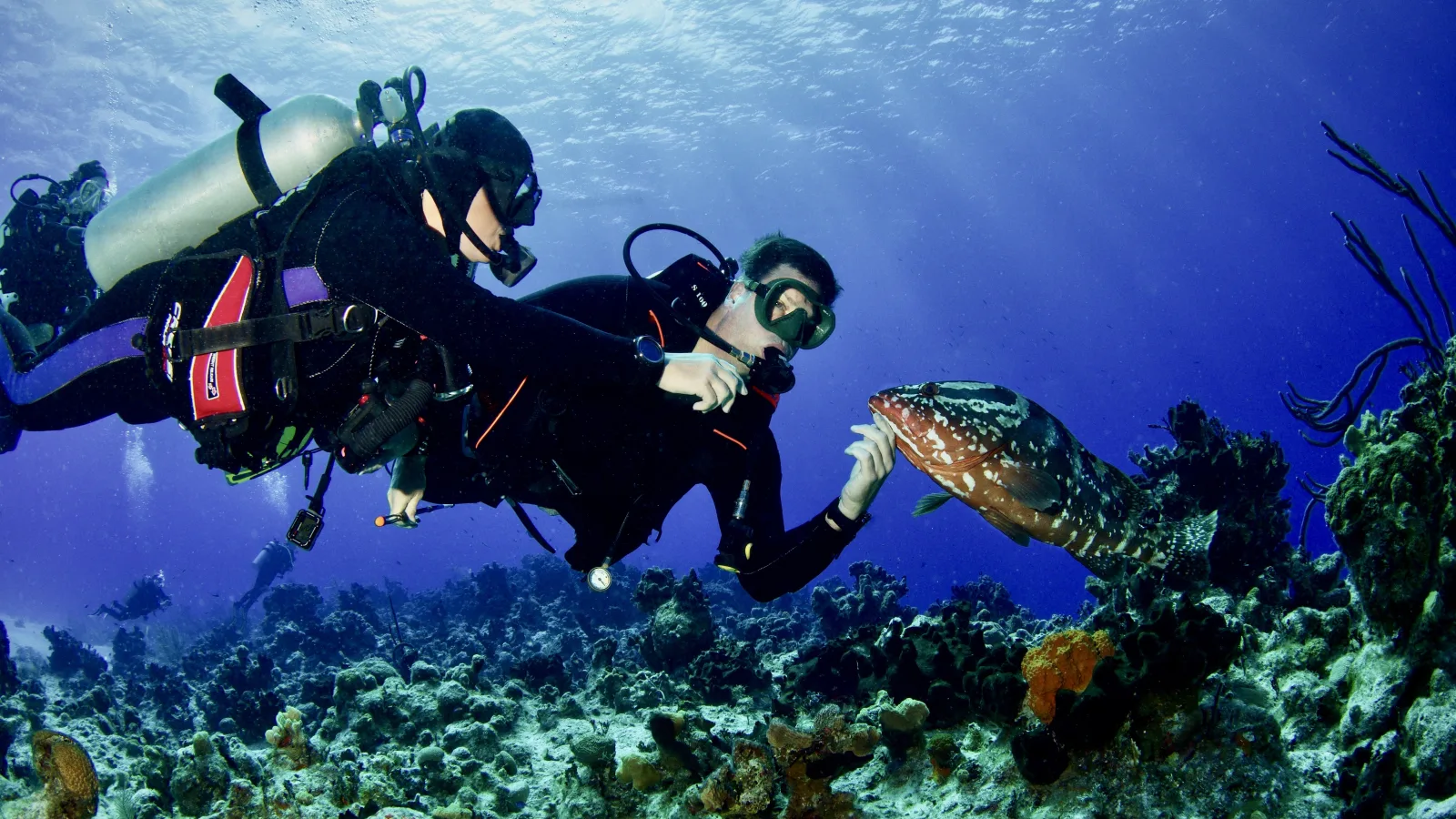
You don’t need to be an “extreme diver” to want more skill, more control, and more options underwater. Advanced recreational training is for returning divers who love diving and want to do it better—with steadier buoyancy, calmer decision-making, sharper awareness, and the confidence to handle new conditions without feeling rushed or overwhelmed.
At Pacific Reef Dive School, we treat advanced training as a progression plan—not a box to tick. We’ll help you choose training that matches your current comfort level and your real goals, then build skills in a way that keeps diving fun, conservative, and repeatable.
Who advanced recreational training is for
If you’re coming back to diving after a break, or if you’ve been diving regularly but feel like you’re “getting by” rather than feeling truly in control, you’re in the right place. Advanced recreational training is a great fit when you want to:
- Feel more stable and relaxed in the water (especially with buoyancy and trim)
- Improve air management through efficiency and calm pacing
- Get better at situational awareness—your buddy, your depth, your time, your direction
- Expand the kinds of dives you can enjoy comfortably (conditions, navigation, task-loading)
- Make safer, more conservative decisions without second-guessing yourself
You don’t need perfect skills to start. You just need the motivation to improve—and the honesty to train at a pace that supports long-term confidence.
What “advanced” really means (and what it doesn’t)
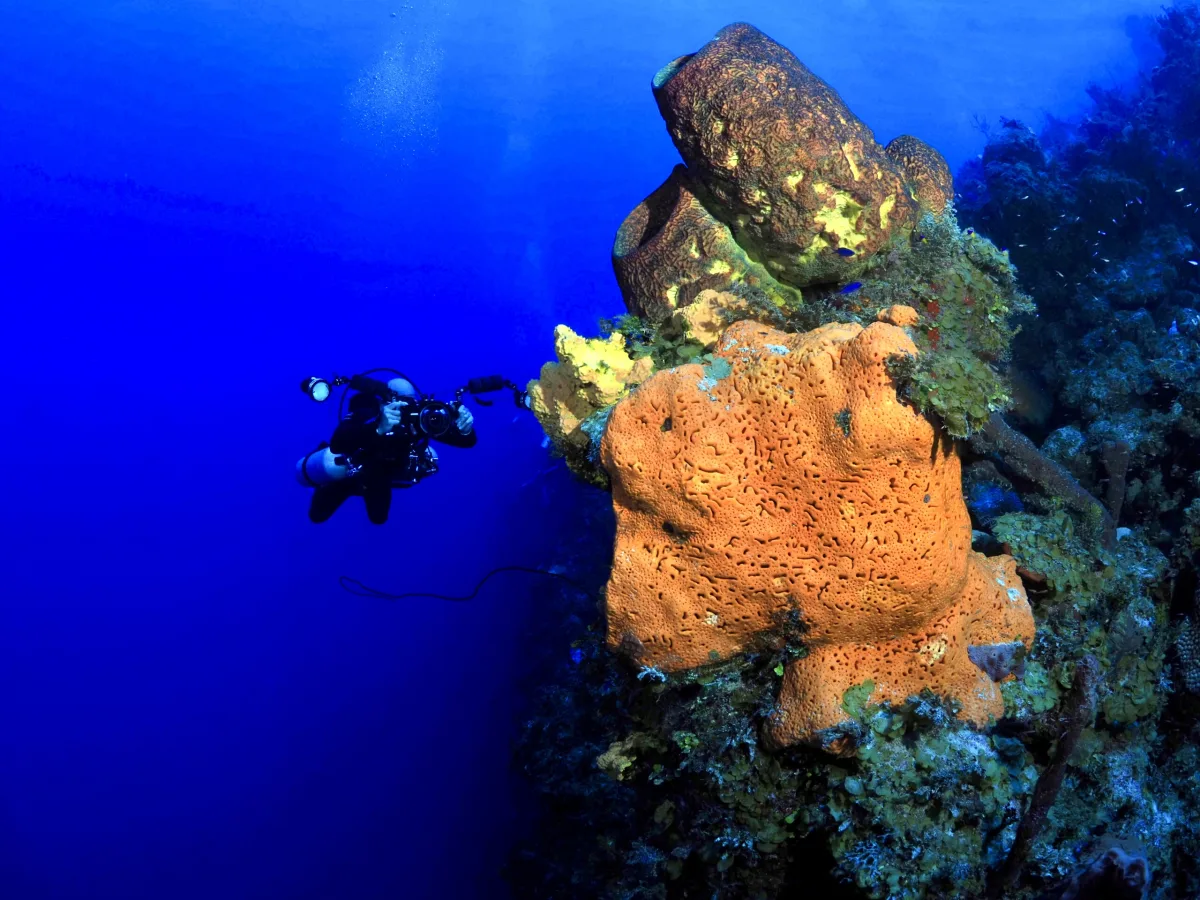
“Advanced” in recreational diving shouldn’t mean pushing limits. It should mean building margin.
We focus on the practical capabilities that make your dives smoother and safer:
Control: refined buoyancy, controlled ascents/descents, and the ability to stop precisely when you want to.
Awareness: scanning habits, buddy positioning, depth/time discipline, and noticing small changes before they become problems.
Comfort under task-load: doing simple tasks (navigation, SMB use, light communication, etc.) while staying stable, calm, and present.
Decision-making: planning conservatively, recognizing when to change the plan, and knowing how to say “not today” without ego.
If you’re looking for a “quick certification” feeling, we’ll be upfront: our goal is real competence. You’ll finish training feeling like you earned the upgrade—and you’ll know what to practice next.
How we help you choose the right next step
Most returning divers don’t need “everything.” They need the right thing—based on their current ability and the diving they actually want to do.
When you reach out, we’ll talk through:
- Your certification level and how recently you’ve been diving
- Your comfort in the basics (buoyancy, mask skills, ascents, navigation confidence)
- The conditions you want to handle more calmly (current, low visibility, boat diving, etc.)
- Your goals: smoother dives, better buddy skills, improved navigation, more confidence
From there, we’ll recommend an advanced recreational path that makes sense. Sometimes that’s a structured “next level” course; sometimes it’s targeted skill development before moving on. Either way, we’ll keep it clear and pressure-free.
Skills progression planning (the part most divers miss)
Skill growth isn’t linear. It’s normal to feel strong in one area and rusty in another—especially if you’re returning after time out of the water.
We’ll help you sequence training so it stacks smoothly:
- Rebuild fundamentals first so the rest of training feels easier, not harder.
- Add one new challenge at a time (depth, navigation, task-loading, conditions).
- Practice until it’s automatic, not just “passed once.”
That approach doesn’t just make you a better diver in class—it makes you a diver who can show up on vacation, join a new buddy, or dive a new site and still feel grounded.
Prerequisites & readiness: what we’ll ask you before training
Advanced recreational training should meet you where you are. Before we confirm your next step, we’ll make sure the basics are in place so you can learn efficiently and safely.
In general, expect us to discuss:
- Your current certification and training history
- Your recent dive experience (including any long gaps)
- Comfort with core skills like mask clearing, regulator recovery, and controlled ascents
- General fitness and any medical considerations relevant to diving
- Gear setup familiarity (yours or rental) and weighting comfort
If it’s been a while, we may recommend a refresher or a fundamentals-focused session first. That’s not a setback—it’s the fastest way to get your confidence back and make advanced training truly enjoyable.
Conservative decision-making: the most advanced skill you can learn
The strongest recreational divers aren’t the ones who “push through” discomfort. They’re the ones who plan smart and stay adaptable.
We’ll coach you on the habits that keep diving safe and satisfying over the long run:
- Planning dives with realistic limits (not optimistic ones)
- Checking in early when something feels off—before it becomes urgent
- Making calm, unhurried choices under water
- Maintaining a wide safety buffer for gas, time, and energy
- Prioritizing buddy communication and team awareness
This is the kind of training that pays you back on every single dive—especially when conditions aren’t perfect.
What to do next
If you tell us where you’re starting and where you want to go, we’ll help you choose the best advanced recreational training option—without over-selling and without guessing.
Reach out and let us know:
- Your current certification level
- When you last dove
- What you want to feel more confident doing
We’ll guide you toward the right next step so your diving stays fun, capable, and comfortably within your limits.