
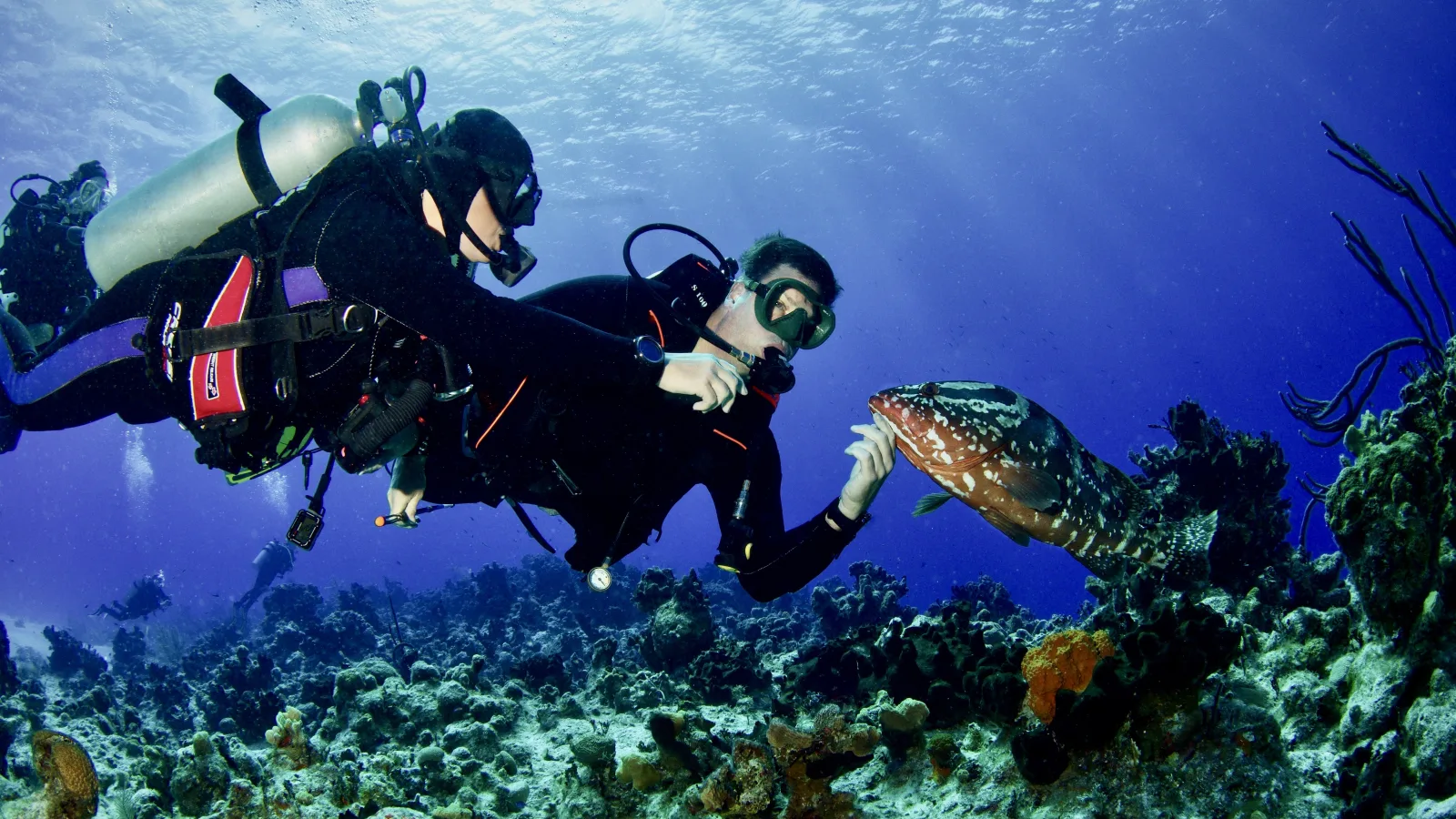
Learning to dive should feel exciting—not confusing. This page is your map of the training options we offer at Pacific Reef Dive School, plus the prerequisites and outcomes that help you choose confidently. Whether you’re brand new, returning after a long break, or ready to level up your skills, we’ll help you start at the right place and progress at a pace that feels supportive and fun.
Monterey is an incredible place to learn. It’s also real diving—cool water, kelp forests, and conditions that teach you to be calm, capable, and prepared. We’ll set expectations clearly, keep instruction organized, and coach you through the skills so you build confidence that transfers anywhere you dive.
Explore
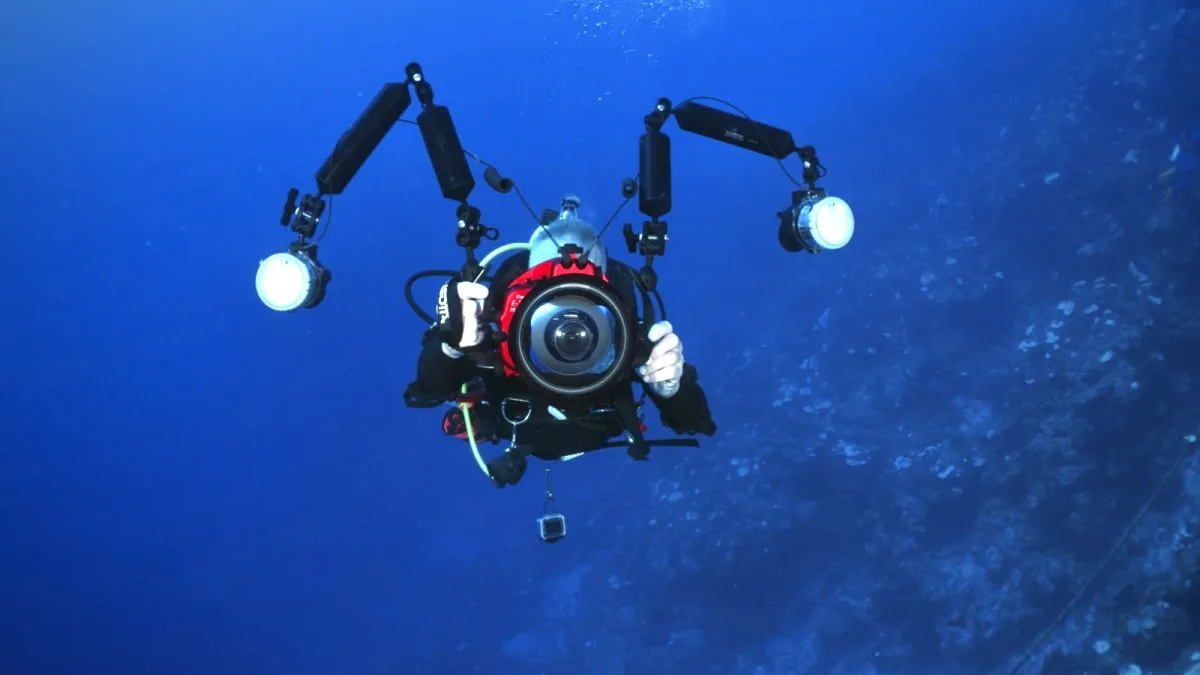
Advanced Recreational Training
Describe advanced recreational training options at a level that helps divers self-select and inquire appropriately.
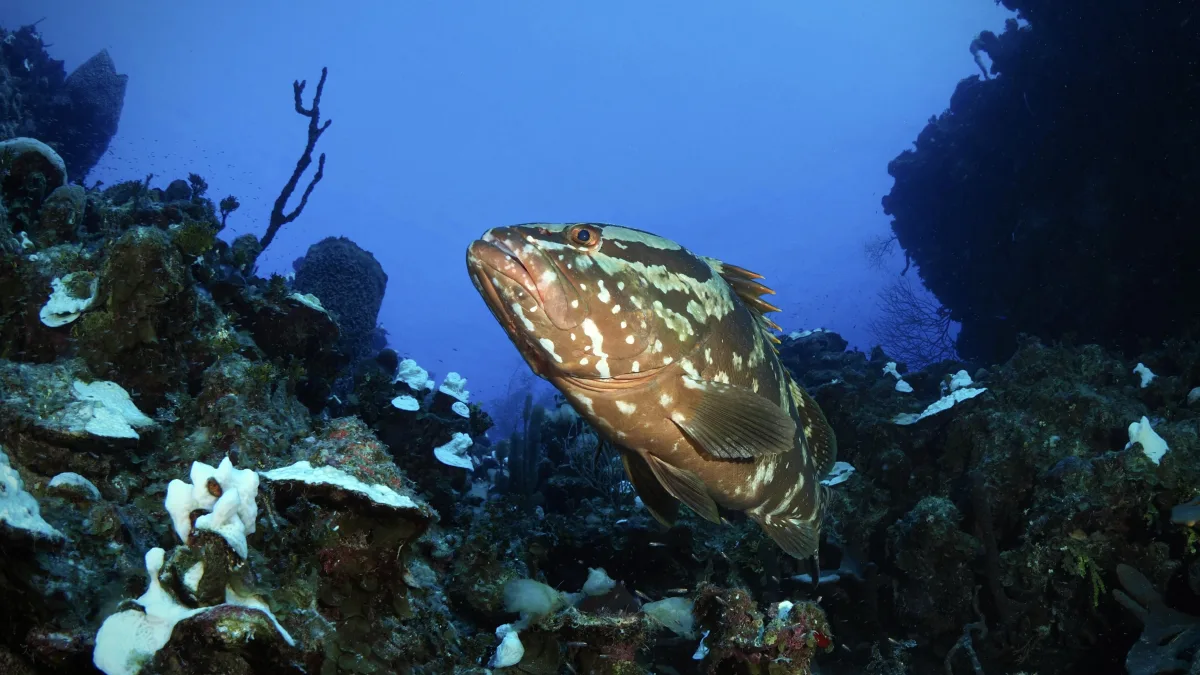
Beginner Certification Course
Explain the first-time diver certification option, who it’s for, prerequisites, what to expect, and how to inquire about dates.
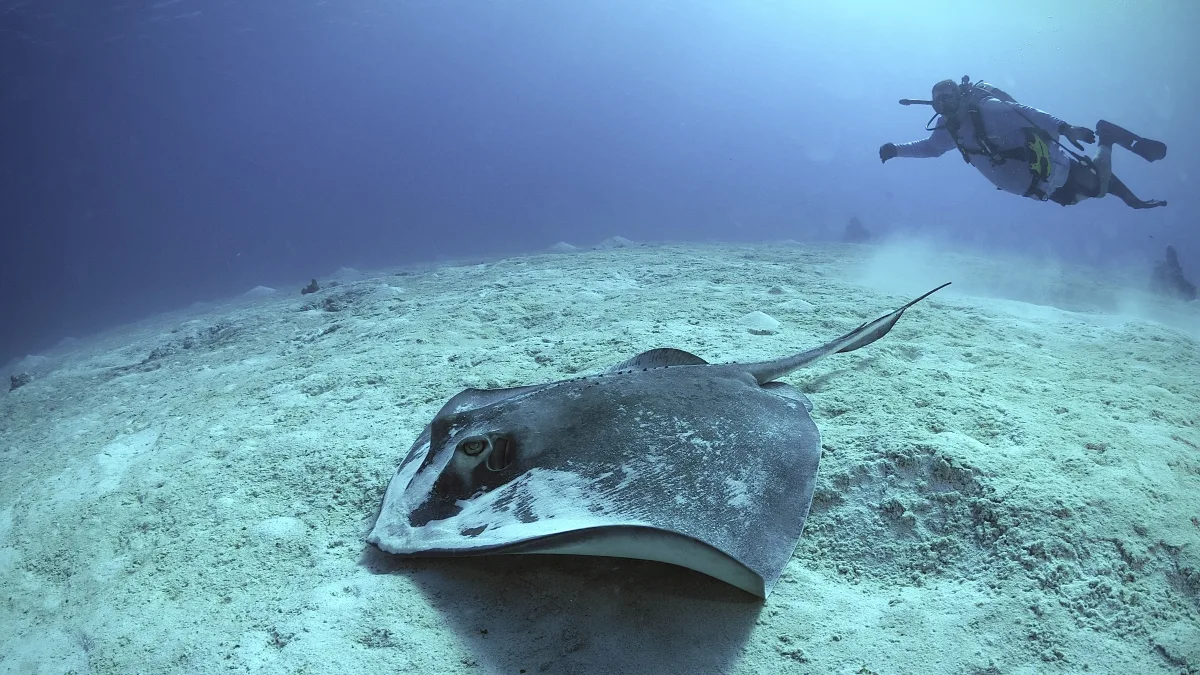
Private Instruction
Explain when private instruction is appropriate (pace, confidence, skill focus) and how to request a plan/date.
Refresher Session
Help certified divers determine whether they need a refresher and what the session covers; direct to inquiry.
Choose your course path
Most divers fit into one of these starting points. If you’re unsure, we’ll help you pick the best match.
1) New to scuba
If you’ve never been certified before, start with our Open Water Diver training pathway. This is the foundation: the course that teaches you how to plan and complete dives, manage your equipment, and solve common problems calmly.
You’ll leave with: core safety skills, buoyancy basics, underwater communication, and the confidence to dive with a buddy.
2) Certified, but rusty
If you’re already certified but it’s been a while, a refresher / skills update is usually the fastest way back into the water. We’ll rebuild comfort with the gear, review key safety procedures, and focus on the skills that matter most for Monterey diving.
You’ll leave with: refreshed fundamentals and a clear next-step recommendation (guided diving, continuing education, or a confidence-building specialty).
3) Ready to improve quickly
If you’re certified and eager to dive more comfortably—especially in kelp, cooler water, or lower visibility—our continuing education and advanced training options help you expand your capabilities with structured coaching.
You’ll leave with: better buoyancy and awareness, stronger dive planning habits, and experience handling new environments.
Our core training pathway (beginner to advanced)
We keep the progression straightforward. Each step builds on the one before it, so you’re never “thrown in” ahead of your comfort level.
Open Water Diver
This is the starting point for most new divers.
Prerequisites (high-level): You’ll need to be comfortable in the water and able to follow safety instructions. You’ll also complete the required learning components and skill practice before certification. (Because exact requirements can vary, we’ll confirm the details when you contact us.)
Outcome: You earn an entry-level scuba certification and the ability to plan and complete dives within the limits of that certification.
Advanced training (the next step after Open Water)
“Advanced” doesn’t mean extreme—it means building experience with structure. This is a great fit if you want to feel more capable in Monterey conditions and broaden what kinds of diving you can do.
Prerequisites (high-level): Current entry-level certification and comfort with the basics.
Outcome: More confidence, better control in the water, and experience applying skills in new situations under instructor guidance.
Rescue-focused training
This is often the course divers describe as the most empowering. You’ll learn to prevent problems, recognize stress early, and respond effectively when something goes wrong.
Prerequisites (high-level): A qualifying certification level and comfort in the water. You may also need to meet standard medical/training requirements.
Outcome: A major boost in situational awareness, teamwork, and safety mindset—skills that make you a stronger buddy on every dive.
Leadership & professional track (for divers who want more)
If you love diving and want to guide others, assist with training, or explore professional pathways, we can help you map the steps.
Prerequisites (high-level): Prior certifications and logged experience (we’ll confirm what’s needed based on your goals).
Outcome: A clear plan toward leadership-level training with coaching on readiness and next steps.
Prerequisites and expectations (what you should know before you commit)
We want you to feel prepared—physically, mentally, and logistically—before we ever ask you to perform a skill.
Most courses require:
- Comfort in the water. You don’t need to be an athlete, but you should feel okay being in deeper water and putting your face in.
- A baseline level of health and readiness. Scuba training typically includes standard medical screening questions. If anything is unclear, we’ll talk it through and help you plan appropriately.
- Willingness to learn. You’ll practice skills step-by-step. Progress comes from repetition, not perfection.
Monterey-specific preparation (high-level): Monterey rewards good habits: controlled buoyancy, calm breathing, solid buddy communication, and smart planning. Conditions can vary, so we emphasize awareness and adaptable skills—not just checking boxes. If you’re coming from warm-water vacation diving (or you’ve only snorkeled), don’t worry: we’ll bridge that gap.
Why train with us: small-group instruction, real coaching
Skills stick when you feel supported. We focus on small-group instruction so you get more feedback, more repetition, and a calmer learning environment. That matters when you’re learning to manage new equipment and a brand-new way of moving.
Here’s what that looks like in practice:
You’ll get clear explanations before you try a skill, coaching while you practice it, and a debrief afterward so you understand what went well and what to adjust. We’re not here to rush you through—we’re here to help you become a diver who feels in control.
Not sure which course is right? We’ll help you choose.
If you tell us a few basics—your experience level, when you last dove, and what kind of diving you want to do—we’ll point you to the best next step.
Good next steps:
- If you’re brand new: Start with Open Water Diver.
- If you’re certified but haven’t dived in a while: Do a refresher.
- If you want to expand your comfort and capability: Move into advanced or rescue-focused training.
Reach out and we’ll help you route to the right course page, confirm prerequisites, and make a plan that fits your goals.